Steal My Perfect Kyoto 3 Day Itinerary

Kyoto is one of the most beautiful places in Japan and is home to 17 UNESCO World Heritage Sites. There’s so much to do here beyond the classic sights. So in this guide, I’ll make sure you see all the highlights plus discover some hidden gems along the way. Kyoto is a busy place for a good reason, and this guide will help you navigate away from the crowds and enjoy the true peace of Kyoto. It was one of my favorite places I visited during the month-long visit I had to Japan. I visited once before 10 years prior and missed so many things that I discovered this time around. For example, there’s so much more to do in Arashiyama than the main bamboo forest everyone sees! Now steal my perfect Kyoto 3-day itinerary below.
Just a heads up! This post may contain affiliate links, meaning I get a commission if you decide to purchase something through the links, at no additional cost to you. Your support helps me continue doing what I love ♡. Thank you! Read our Affiliate Disclosure here.
When is the Best Time to Visit Kyoto
Peak season in Kyoto is during April and November. Both of these times are a dream because in April, you will find the gorgeous cherry blossom trees everywhere, and in November, you will see beautiful fall foliage.
However, these times are extraordinarily busy, so if you don’t mind crowds and want to see Kyoto at its prettiest, then definitely come during this time. But if crowds aren’t your thing, I recommend coming in late May or October. You’ll still get good weather, and the city feels a bit calmer.
I personally visited in April during cherry blossom season, and it was magical, but I had to wake up daily at sunrise in order to avoid the crowds. You won’t believe it, but even sunrise draws crowds in Kyoto! Especially at the famous Yasaka Pagoda, Fushimi Inari Taisha, and Arashiyama Bamboo Forest. I got used to adjusting my body clock to sunrise wakeup calls! It was worth it.
I would avoid visiting during July and August as it becomes extremely hot and humid. Plus, from early June to mid-July, it’s the rainy season.
How Many Days in Kyoto?
3 to 4 days are ideal in Kyoto. It will allow you to visit Arashiyma and even Nara. This less-rushed pace is also great because you can really find some hidden gems in Kyoto, like Kodaji Temple!
Where to Stay in Kyoto
Some of Kyoto’s attractions are spread out, but I preferred staying in Gion / Higashiyama because it was close to the most iconic sights and very lively at night. I also wanted to wake up early to get photos by the pagoda, so it was ideal for that. The only downside is that this area can be a bit more expensive.
As a solo traveler, I was able to find a more affordable hotel. I had a good experience at the Resi Stay Yasaka hotel, which was only an 8-minute walk from the pagoda. It’s a basic hotel, but I loved that they had pay-to-use washing machines you could use to do your laundry. As a digital nomad and long-stay traveler, this is something that gets major bonus points for me. Plus, they have 2 Hello Kitty-themed rooms, which I sadly didn’t see because they were booked. YES, I’m a bit obsessed with Hello Kitty!
Kyoto 3 Day Itinerary
Day 1 Kyoto Itinerary
Matcha Making & Kimono Experience
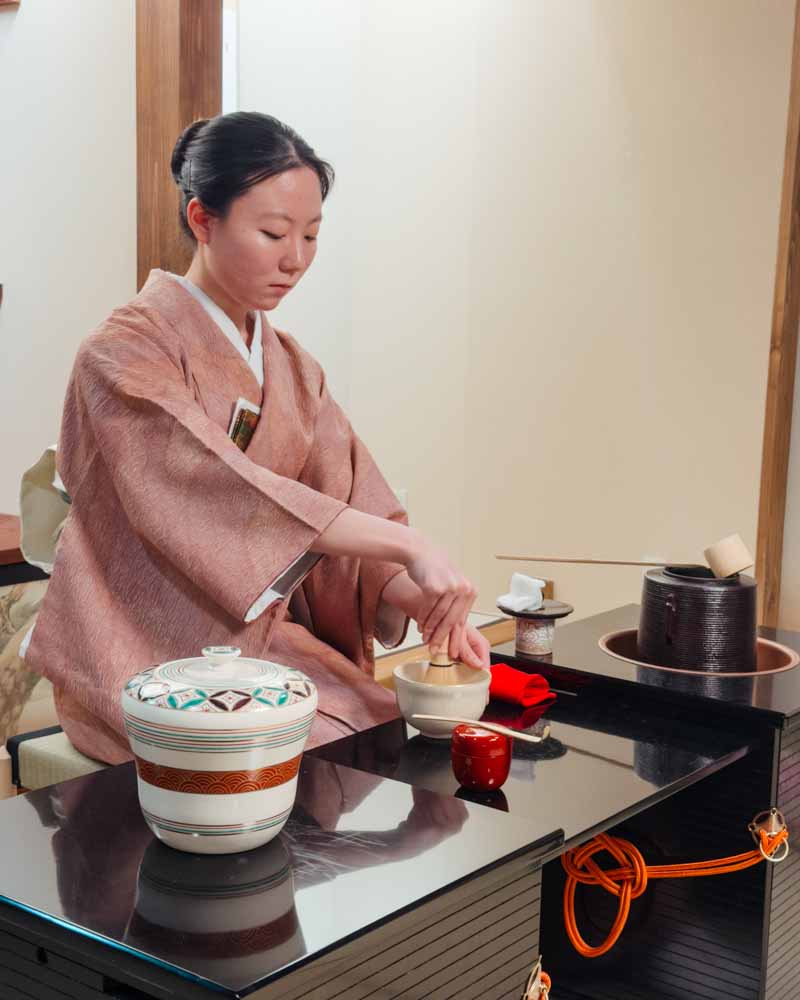
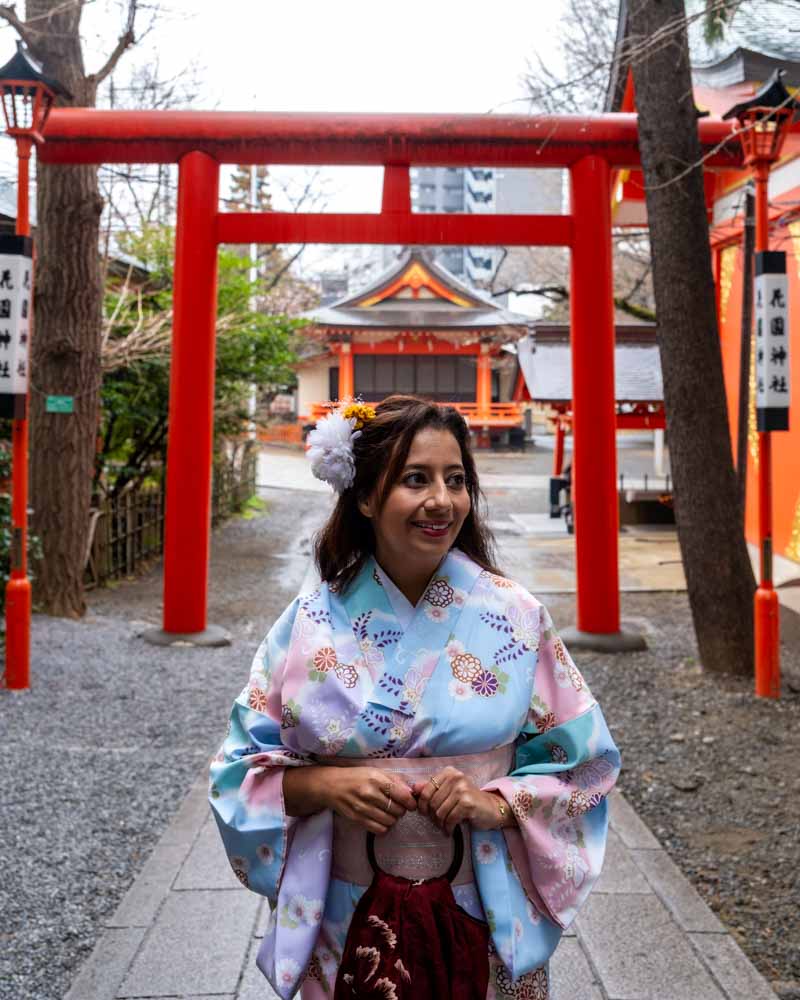
A matcha-making experience is an absolute must during your 3 days in Kyoto! I was slow traveling in Tokyo, so I did my experience there, but the exact same company operates in Kyoto, and I’d highly recommend them. I booked the experience online here and loved it. You can get dressed in a traditional Kimono and wear it for the rest of the day, which is a huge plus! During the class, you will learn how to run a traditional tea ceremony and try your own matcha creation. It’s really relaxing and fun. I even got to try some Japanese sweets with the matcha.
Explore Higashiyama
I love exploring the non-touristy side of every place I go, but seeing the classics is also a must. So on day 1, I actually hired a photographer to help me shoot at the busiest locations in Kyoto. I found Yoshi via Flytographer (my go-to for finding amazing local photographers). He was great, and we did a photo walk in the Higashiyama district. It’s so busy in this area, so my advice is to do it early.
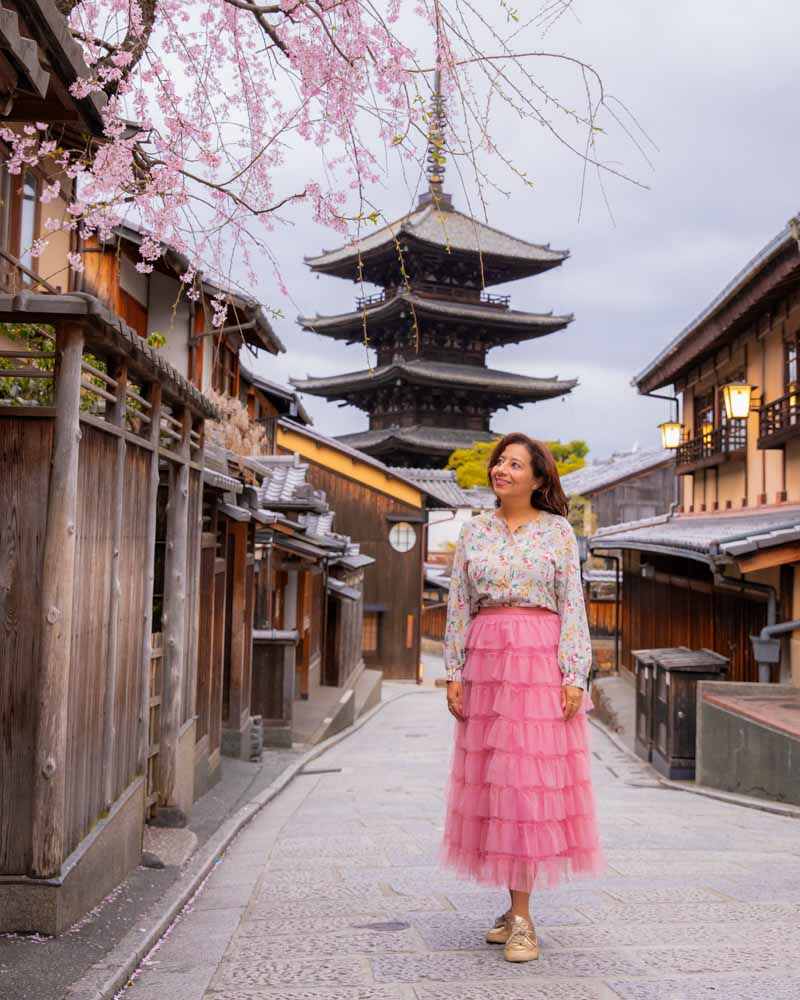
If you explore the area after your matcha-making experience, you get to keep your Kimono on, and so that’s perfect for taking pictures in Higashiyama.
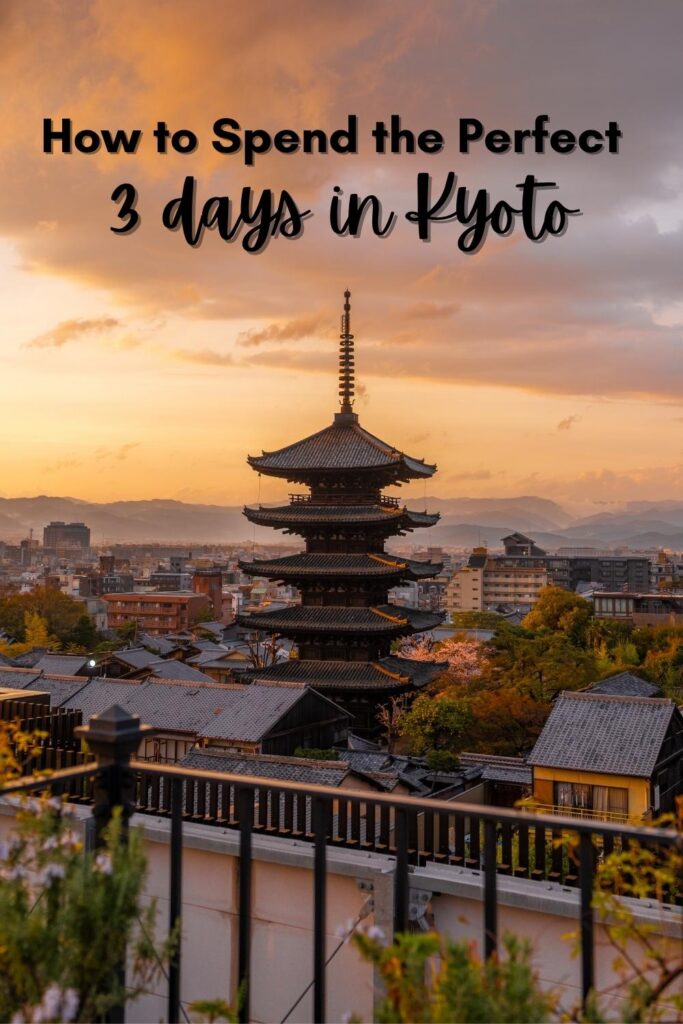
Yasaka Pagoda (also called the Hōkan-ji Temple Pagoda) is the most photographed location in Kyoto. This is the exact location that people actually line up at in the morning to take a photo!
It’s so famous because it dates to the 15th century and is situated along one of the prettiest and most traditional streets in Japan.
Don’t miss Ishibei-koji Alley, a hidden street filled with wooden homes.
Hanamikoji Street is another photogenic street in the area with lots of shops.
Discover Kyoto’s Secret Bamboo Forest
🎟️ Entrance fee: ¥600
📍Location: 526 Shimogawara-cho (Google Maps)
⏱️ Hours: 9 am – 5 pm daily
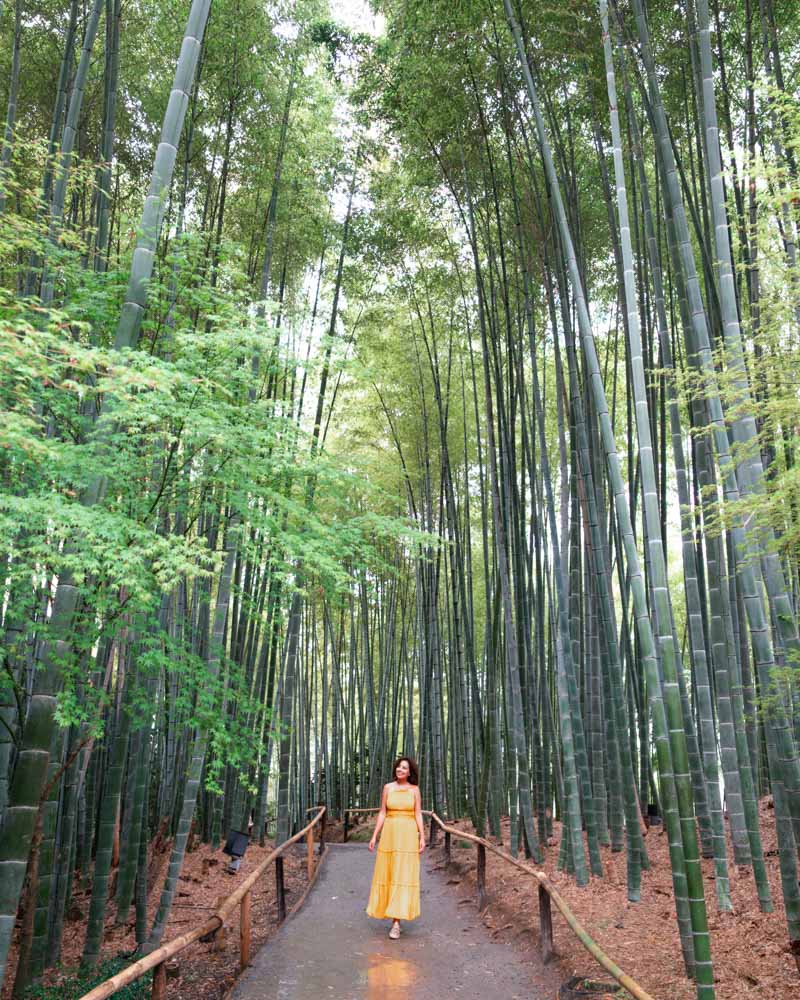
Kōdaiji Temple is located right beneath your nose, and most tourists miss it completely. It is a beautiful temple and garden founded in 1606.
Plus, at the end of the path, you will find a secret bamboo forest! If you don’t feel like fighting the crowds at Arashiyama Bamboo Forest, I highly recommend visiting here. It’s such a peaceful escape in the middle of the city. I visited during the afternoon during cherry blossom season, and was still able to get some clear shots of this beautiful location.
Experience traditional Japanese mochi pounding
📍Location: 2 Chome-208-14 Kiyomizu (Google Maps)
⏱️ Hours: 10 am–6:45 pm daily
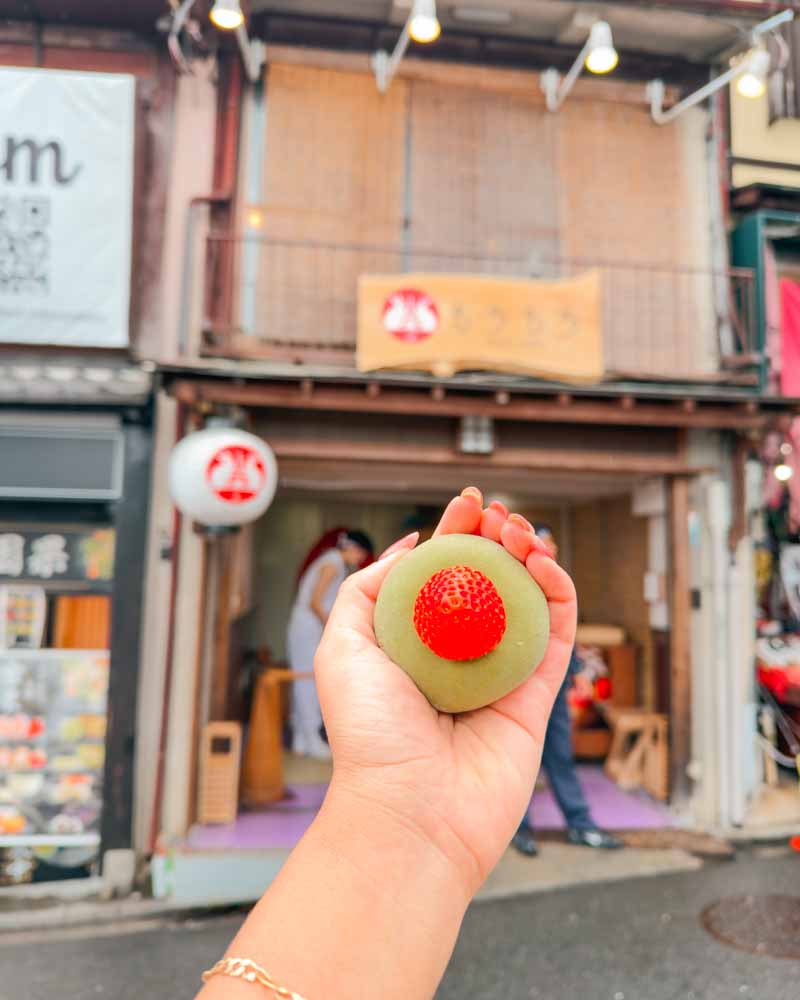
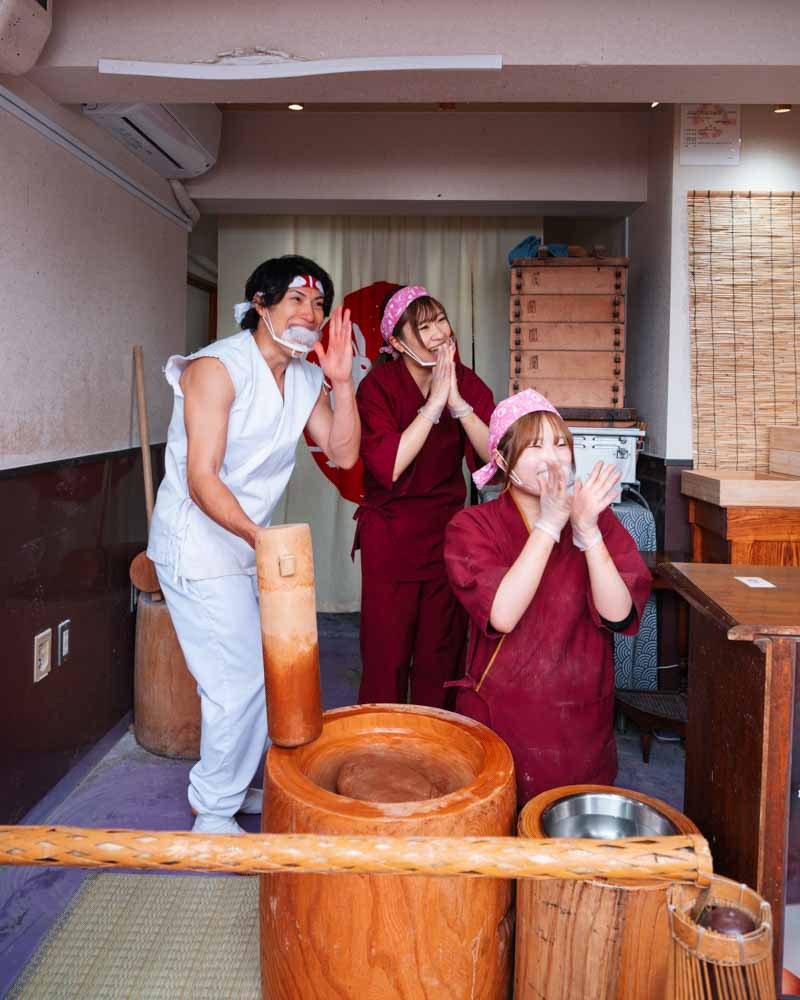
I visited Mochi Mochi, and it was the best $6.40 I spent in Kyoto! Yes, it was a pricey one, but the experience really made it.
I thought it was gonna be overrated as it’s super viral on social media. But it was honestly the best mochi I’ve ever had.
So worth the wait for the show and the delicious dessert. There’s also a similar mochi pounding experience in Nara and it’s called Nakatanidou!
Gion Tatsumi Bridge
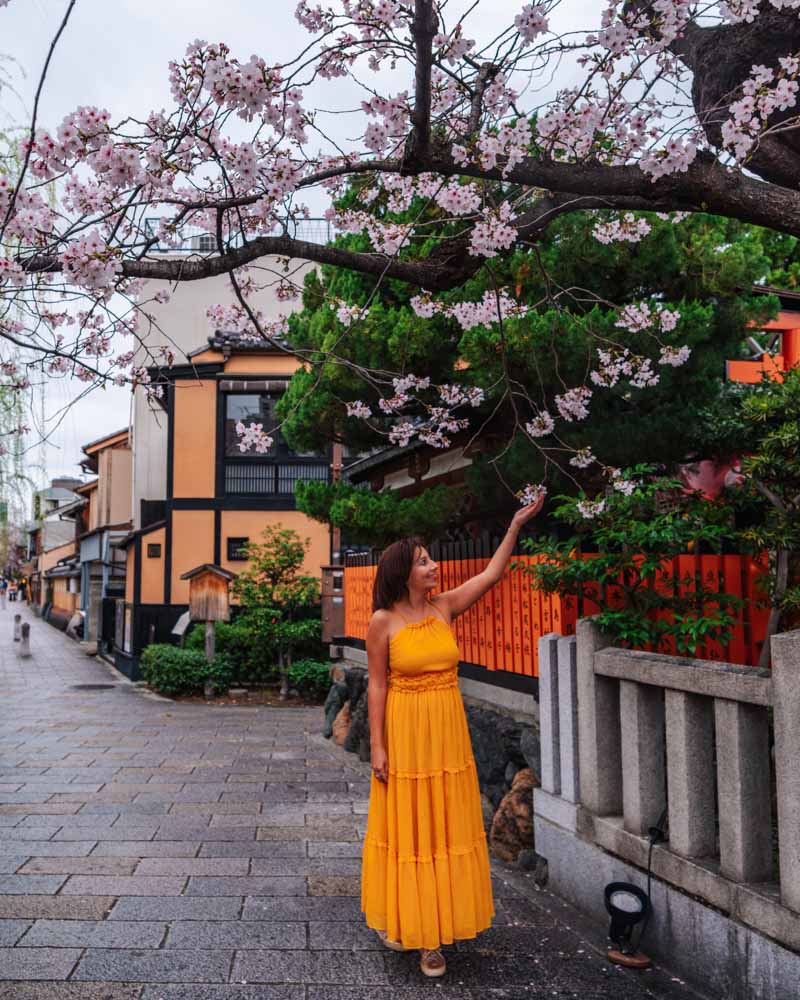
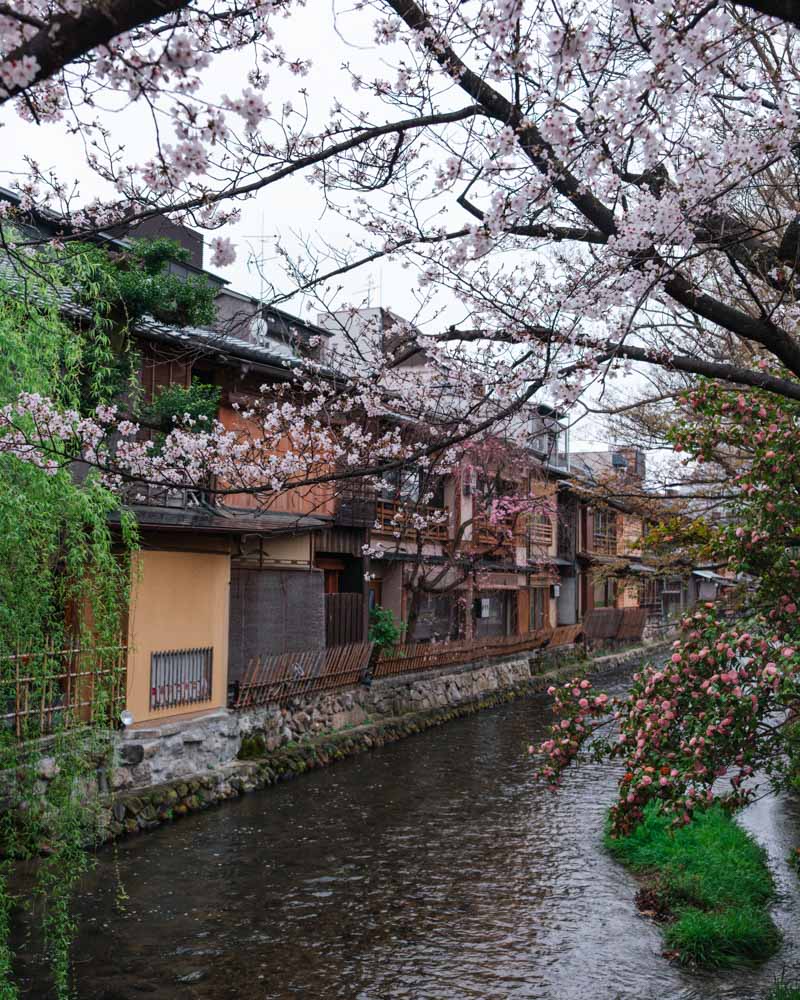
Located in the heart of Gion is Tatsumi Bridge. It’s especially beautiful during cherry blossom season, but should be visited nonetheless. Its picturesque narrow canal is framed by traditional wooden machiya houses.
Sunset at K36 Rooftop Bar
📍Location: Japan, 〒605-0862 Kyoto, Higashiyama Ward, Kiyomizu, 2 Chome−204-2 4F The Hotel Seiryu (Google Maps)
⏱️ Hours: 3 pm – midnight daily
No reservation required and non-hotel guests can come
¥1,100 cover charge
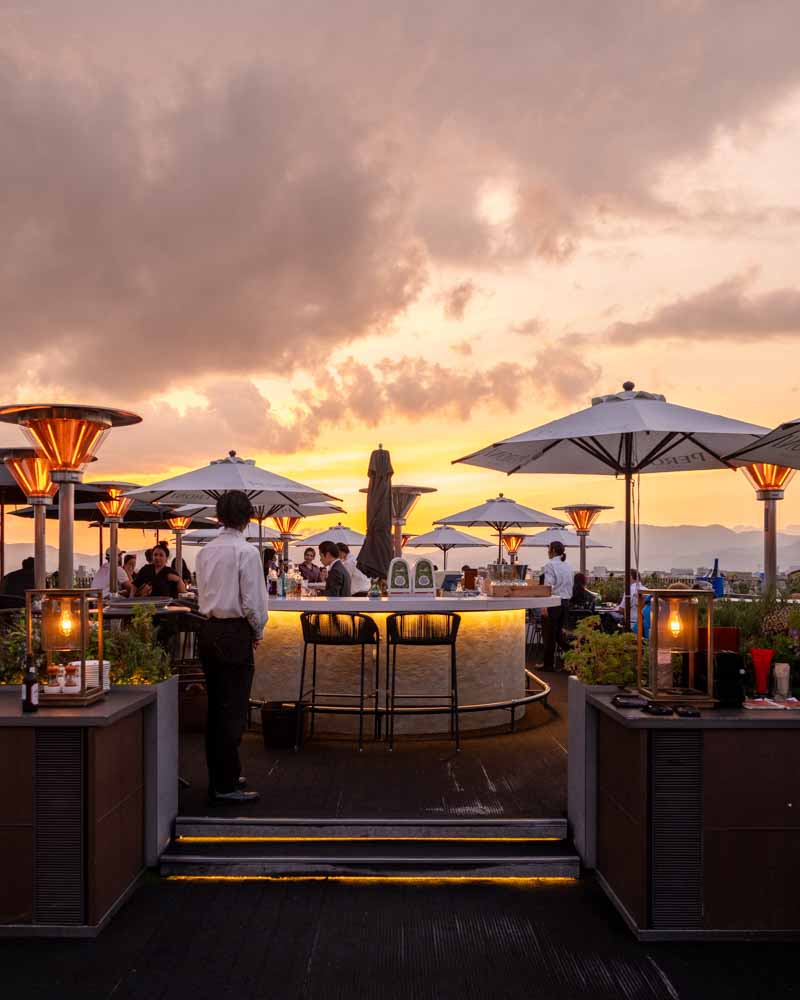
If you want a Kyoto sunset view without the crowds, you have to visit this hidden bar.
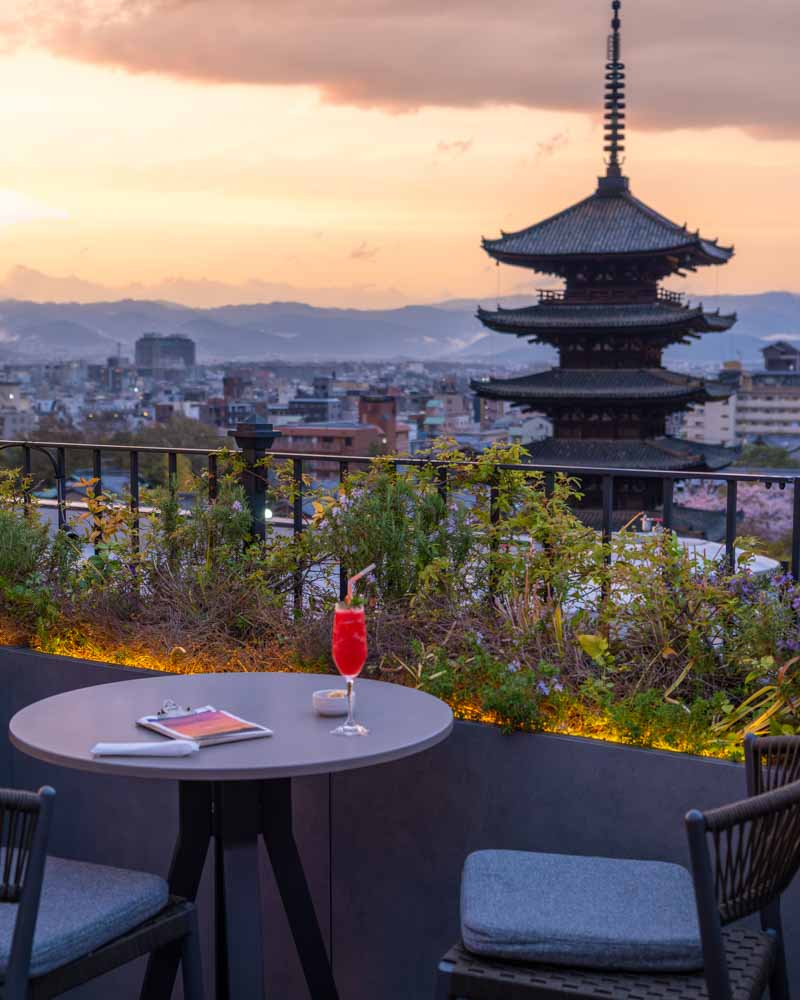
K36 is one of the only spots where you can see the iconic Yasaka Pagoda clearly without fighting through people. I went right before sunset and just sat there watching the sky change over the city.
You don’t need a reservation, but go a bit early to get a good spot.
It’s inside The Hotel Seiryu Kyoto Kiyomizu. You don’t have to be a hotel guest to visit, but there’s a ¥1,100 ($7) cover charge if you aren’t one. This doesn’t include drinks, so just keep that in mind.
Day 2: Arashiyama
Arashiyama is so much more than just the famous bamboo forest! In fact, I visited 10 years prior and had only gone to the Bamboo Forest and the Iwatayama Monkey Park. After returning to Japan recently, I found so many amazing things to do outside of the Arashiyama Bamboo Grove, so don’t miss them!
Getting There from Kyoto:
If you want to take a taxi and have someone to split the fare with, that could be the most convenient option. Otherwise, getting there by public transport is easy. Just head to Kyoto Station and take a direct train to Arashiyama Station. From there, you can walk. to the Bamboo Forest in 15 minutes.
Arashiyama Bamboo Forest
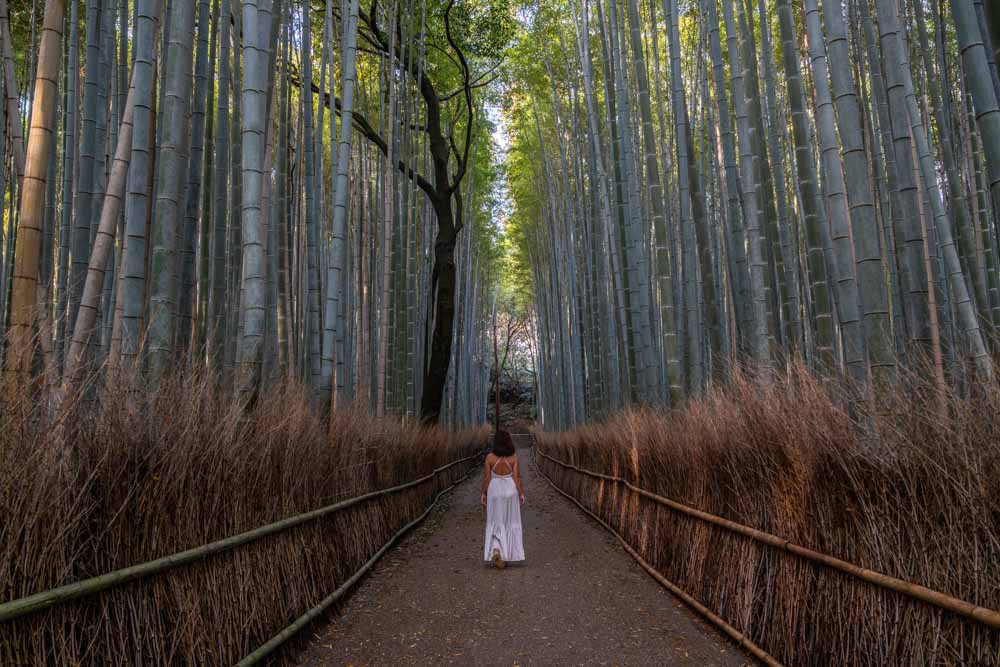
If you decide to visit the Bamboo Forest, I highly recommend going as early as possible. Just after sunrise would be ideal, because this place gets mad packed with tourists after 8 am even!
It is beautiful, but there are so many other Bamboo Forests in Japan that are way less touristy. So plan early, or maybe skip this one as the crowds can be unbearable later in the day. You will find spots less than 2 minutes from the main one that are way less crowded (like this one).
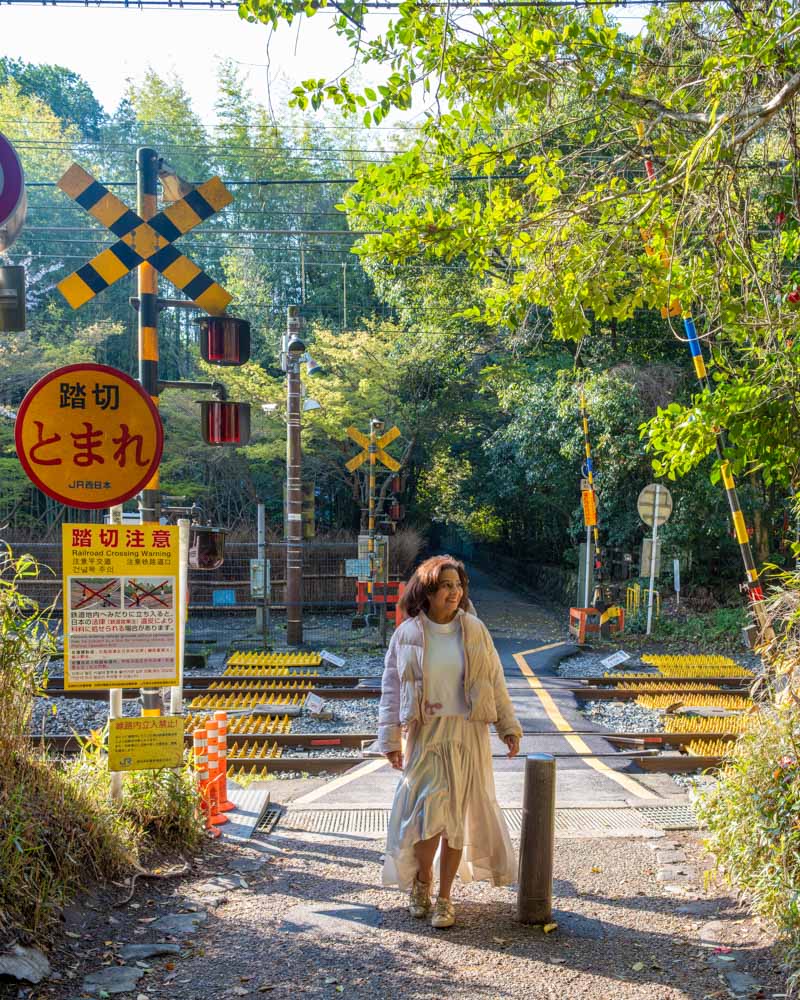
And not far, you’ll find a cute train track and might even see the Sagano Romantic Train pass by if you’re lucky. I actually really wanted to ride this train as it passes through scenic landscapes, and during Cherry Blossom season, you’ll see the blossoms from the train windows. It’s also very beautiful during autumn. But both these periods are quite busy, so you’ll need to plan ahead. When I visited, I tried to get tickets the same day, and they were already sold out!
Walk along the Arashiyama riverside
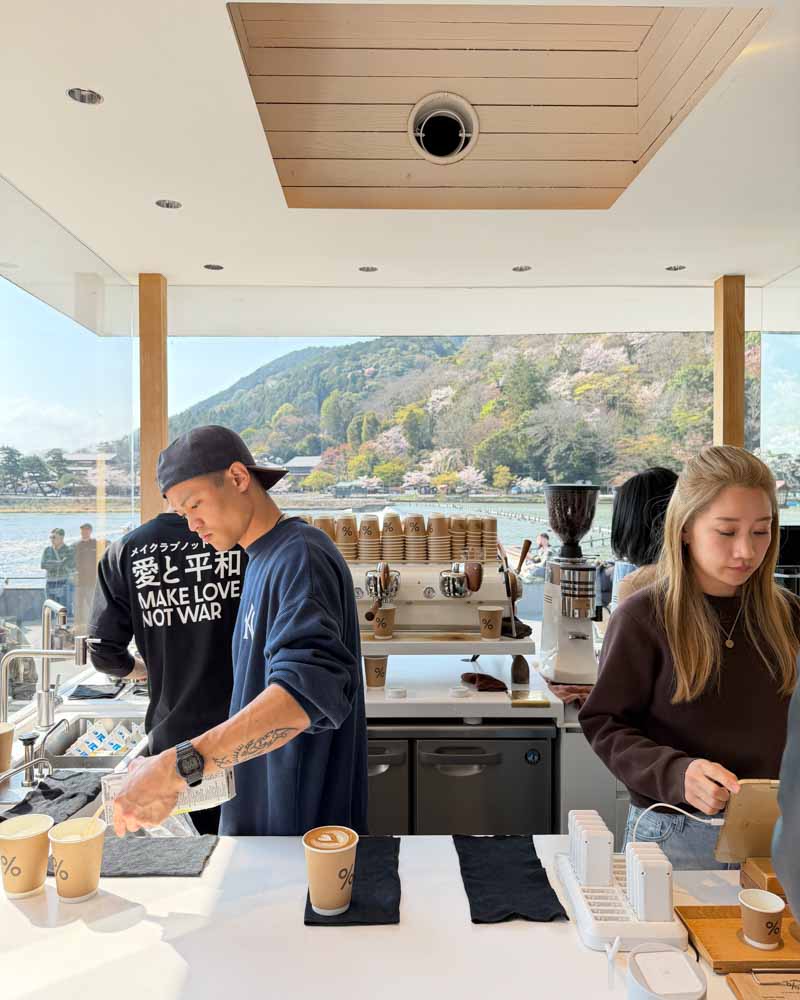
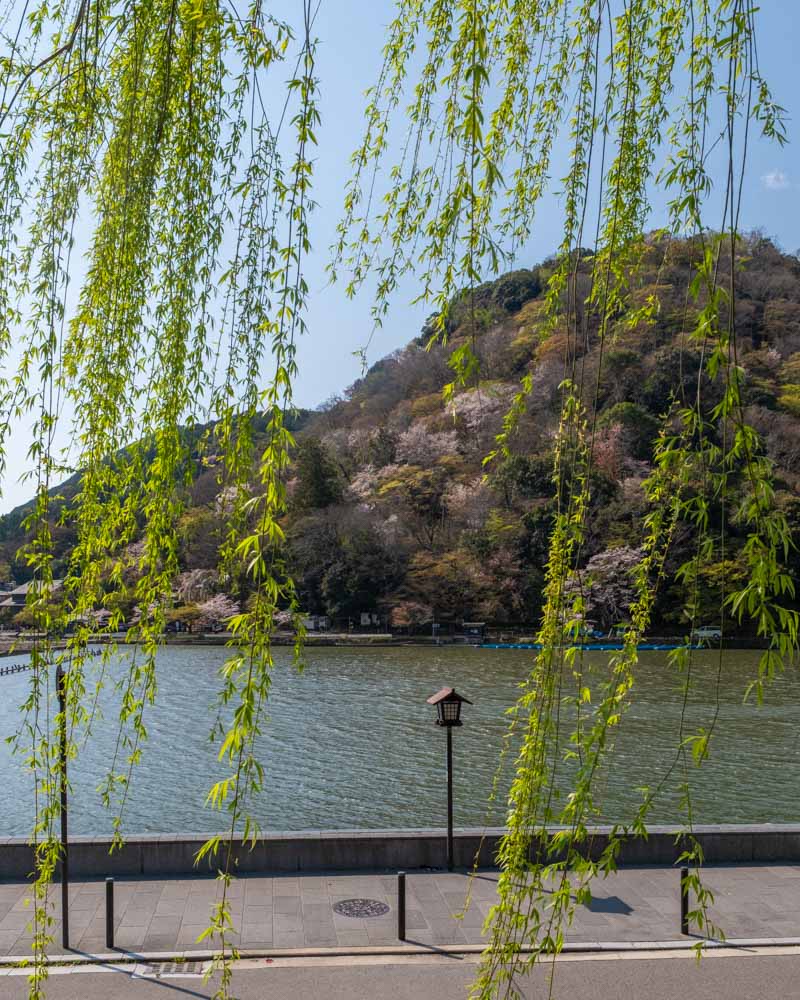
One of the best things to do in Arashiyama is to walk to Togetsukyo Bridge and soak in the views of the riverside. You will also find some really nice cafes in the area. One of the most famous and viral spots online is the Arabica. So, prepare to queue up for a coffee. The place is tiny and only has one table inside, which you have to pay to sit at ( around ¥1,000 per half hour). Most people take their coffee to go or sit outside by the river to enjoy. The reason it’s so popular is that right behind the barista is the most beautiful view of the riverside.
Otagi Nenbutsuji
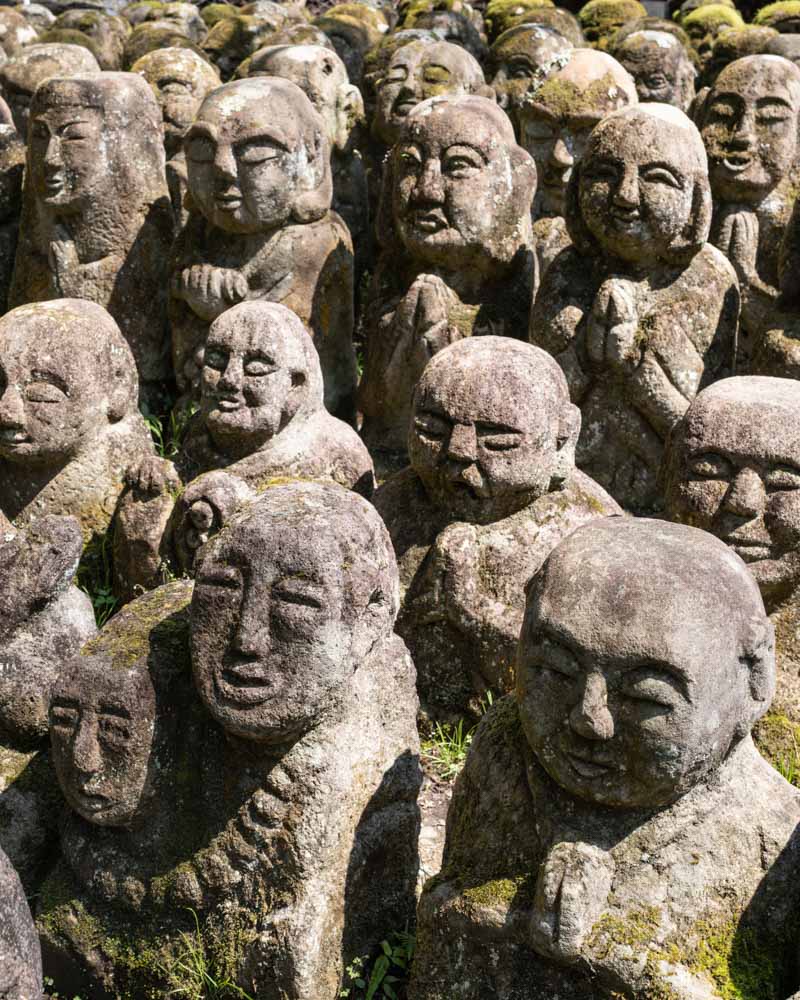
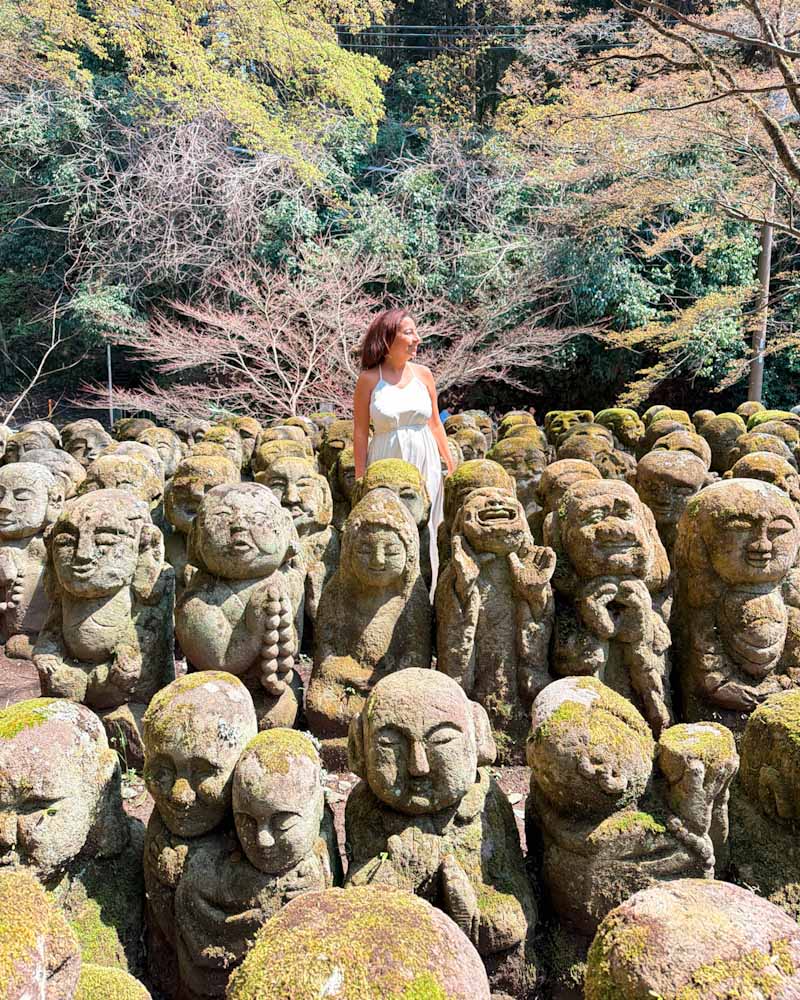
I loved visiting this unique temple in Arashiyama. It’s home to 1,200 moss-covered statues representing disciples of the historical Buddha.
The temple statues were constructed in the 1980s by so many different people, including just ordinary visitors or amateur sculptors! So that’s why every face feels very different. It’s said that you should hunt for the face that looks most like yourself! Some are smiling, making a heart symbol with their hands, praying, or even looking sleepy. The cost to enter this temple is ¥400.
Adashino Nenbutsuji Temple
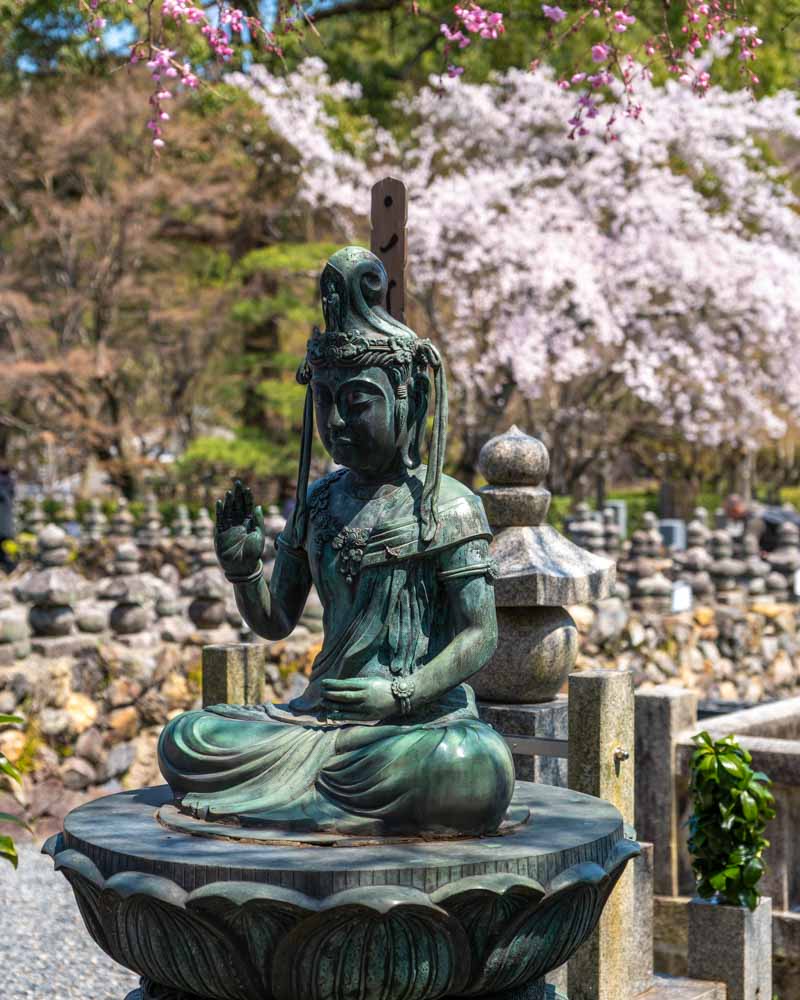
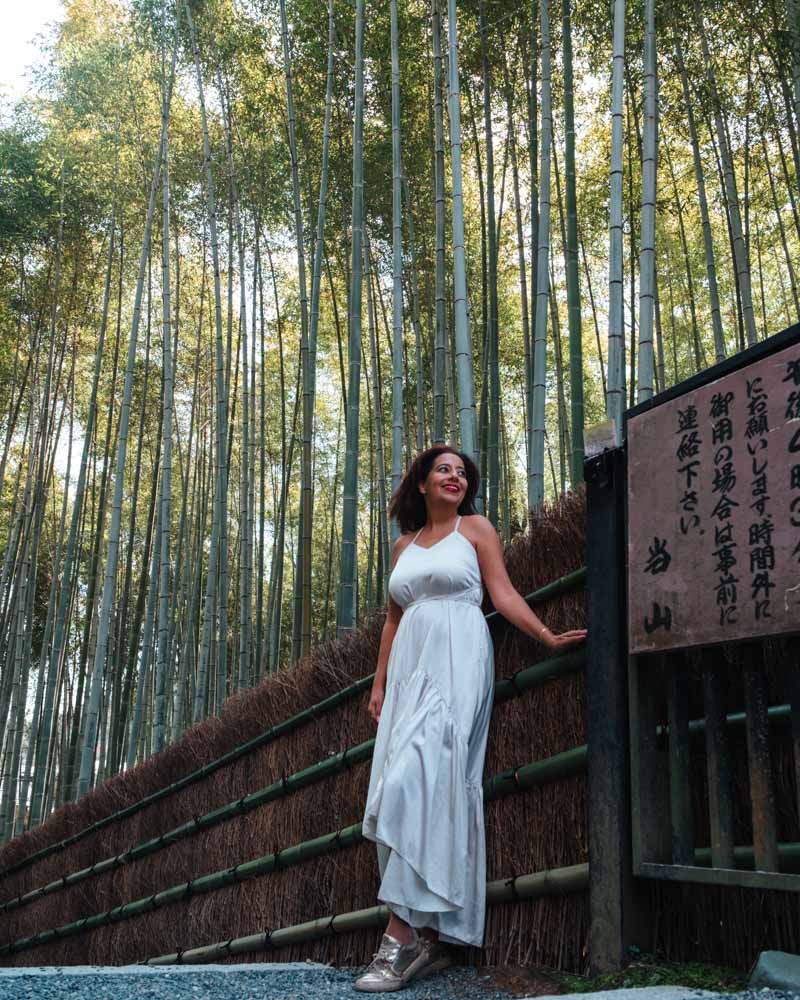
Just a 10-minute walk from Otagi Nenbutsuji, you’ll find this beautiful temple. As you approach it, you will pass through a beautiful street, Saga Toriimoto Preserved Street.
This temple is worth visiting because it has its own bamboo forest inside. People call it a secret one, but I went in the afternoon, and it drew a bit of a crowd. However, it was nowhere near as busy as the famous bamboo forest. There’s a small entrance fee of ¥500.
Giōji Temple
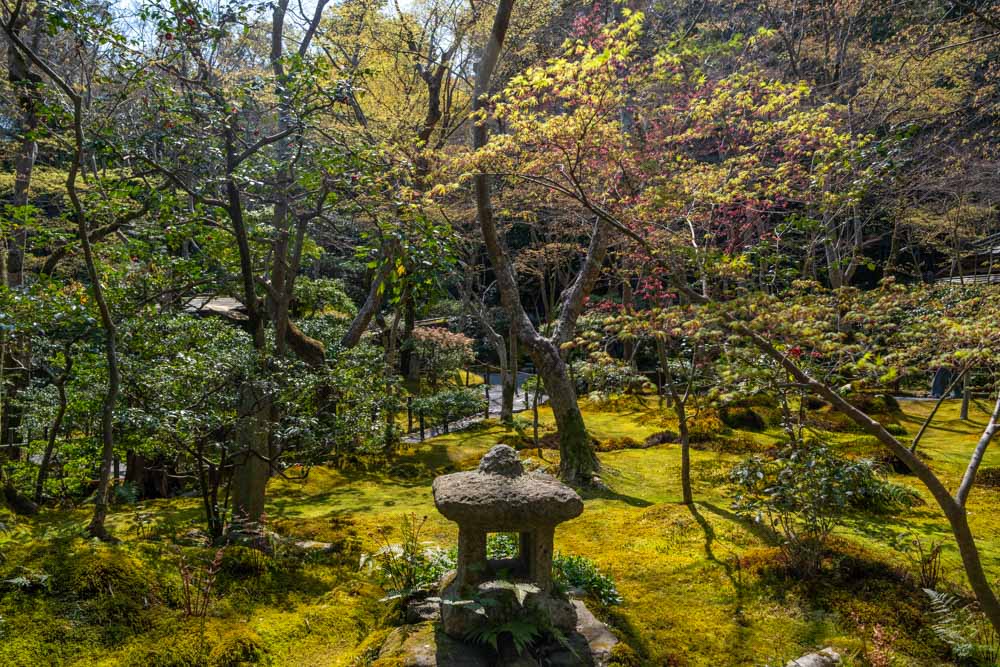
If you still have energy, you can check out Giōji Temple, which isn’t too far away from Adashino Nenbutsuji Temple. It is quite a small one, but super picturesque and one of the most peaceful places to visit away from the crowds. The moss garden is really photogenic, and it’s such an underrated spot. There’s an entrance fee of ¥300. And from here you can walk back to Arashiyama Station so you can return to Kyoto.
Day 3 Kyoto Itinerary
Fushimi Inari Taisha
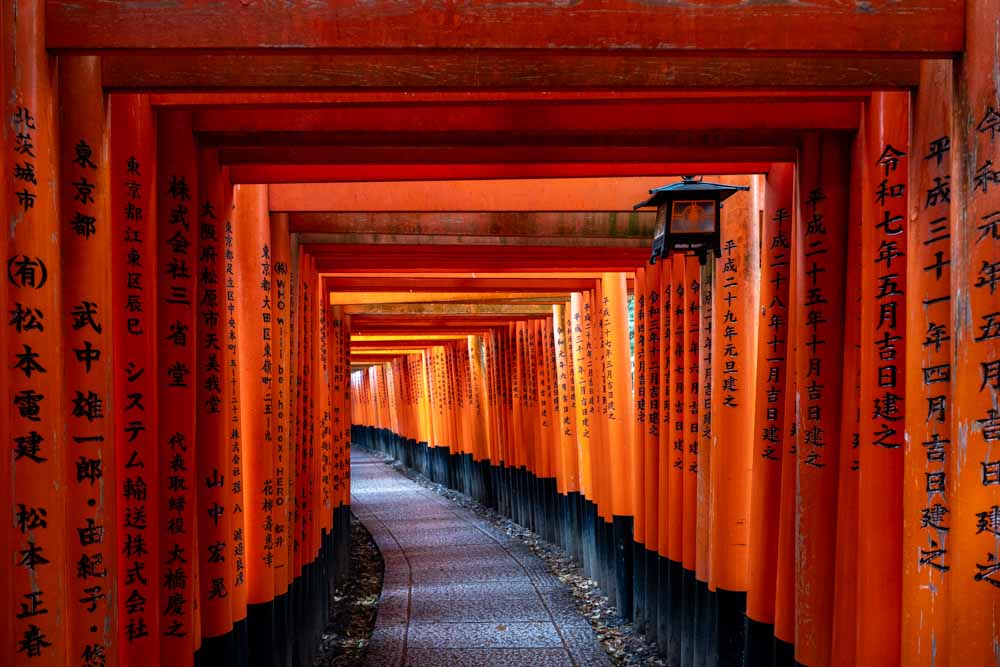
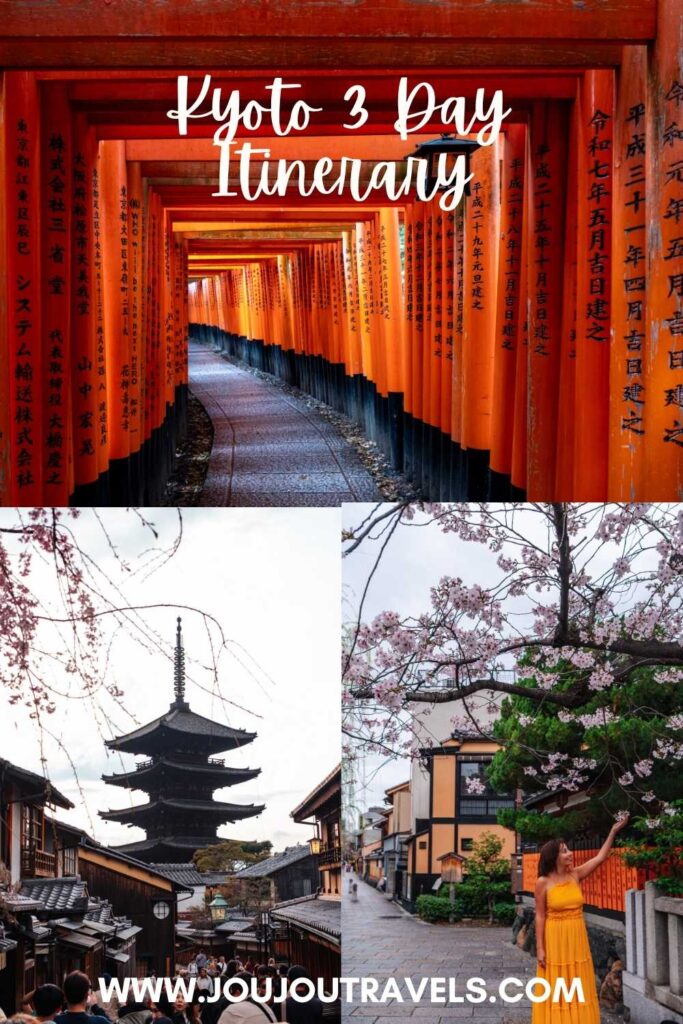
Fushimi Inari Taisha is one of the busiest and most iconic spots in Kyoto to visit. You can get the famous orange gates empty at any time of day, but that’s only if you continue far up the path. The gates are part of a long hike that you can take all the way up for magnificent views. Most of the tourists give up at a certain point, so that’s why you can see it empty if you persist. Otherwise, this spot can be super popular. Starting in the morning would be a nice option if you can, as you can see the lead-up to the gates in peace.
Downtown Kyoto stroll & Lunch
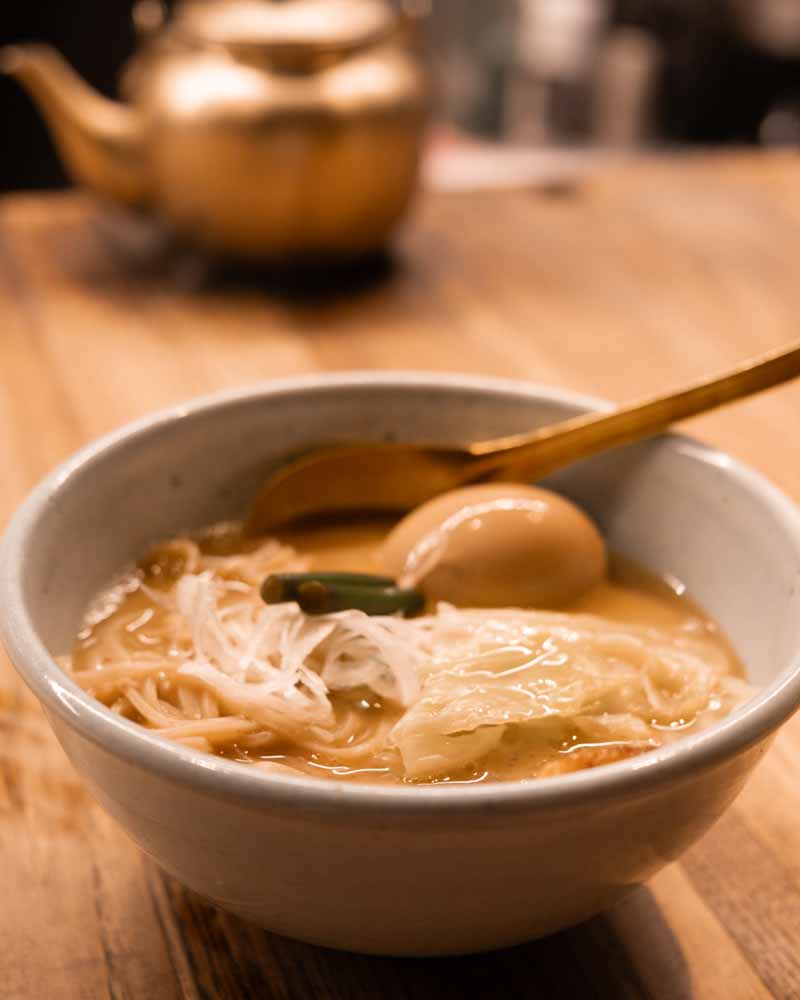
I had the most amazing ramen at Wajoryomen Sugari, which is kinda in a discreet location. You order from a machine and then give the staff your ticket so they can prepare your order.
Alternatively, Nishiki Market is nearby, and it’s a famous food market where you can try a lot of different local specialties.
Shijo Street is the main shopping street in the downtown area worth popping through.
Rokujuan Tea House
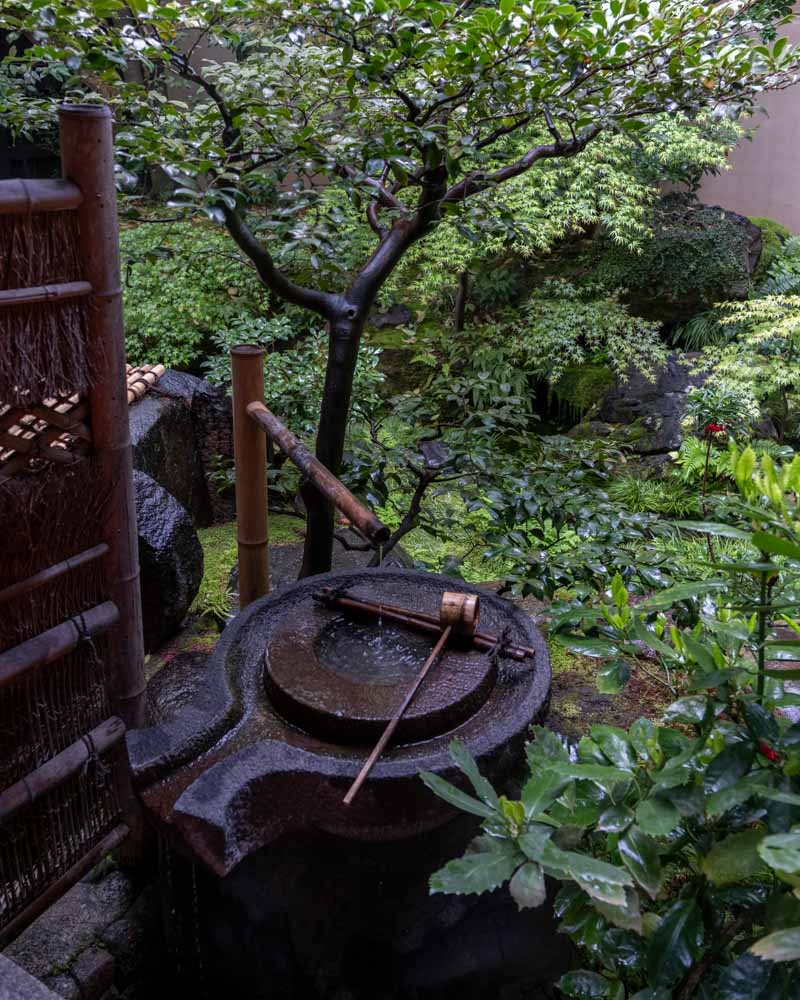
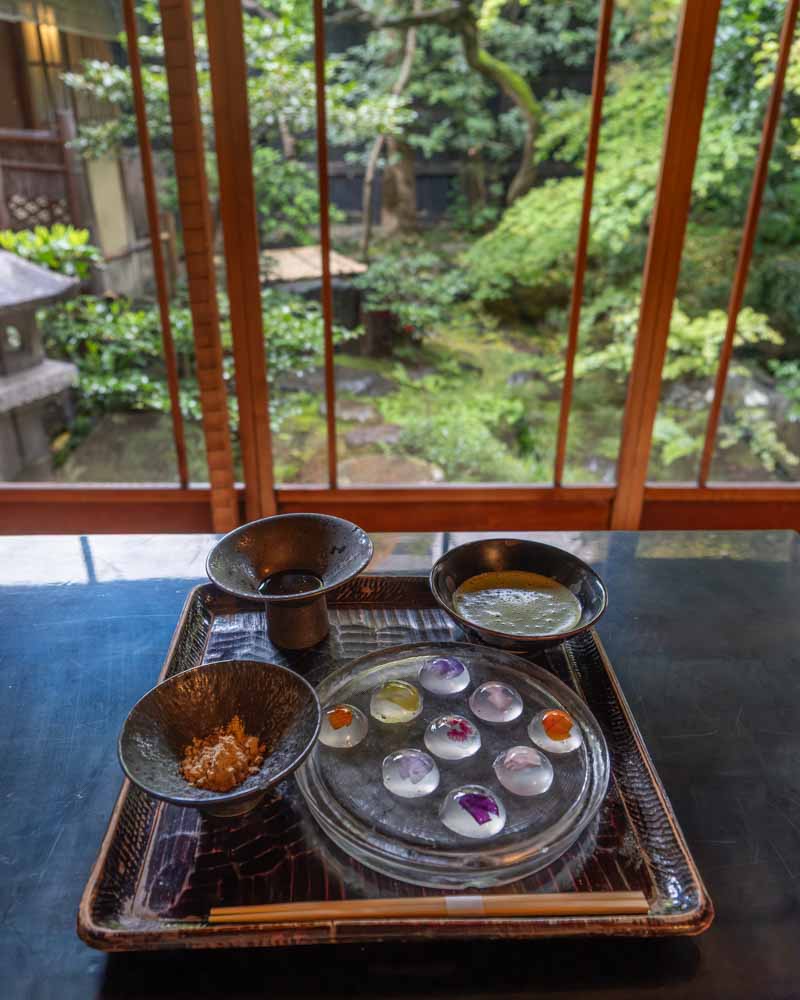
Rokujuan is a 100-year-old tea house! You will definitely need a reservation to come here, so be sure to remember to do that at least a week ahead, as it gets fully booked. When you arrive, they will give you a tour of the place. It’s absolutely beautiful with a garden and flowing water outside. Try to request a window seat so you can enjoy your tea with a serene view. It’s a place where you can really experience Kyoto’s slower, more intimate side. I ordered their famous Hanawarabi, which has these gorgeous flowers inside. It’s perfectly paired with a matcha or Hojicha tea. And you can dip the beautiful dessert into brown sugar syrup and soybean flour.
Optional: Philosopher’s Path (seasonal)
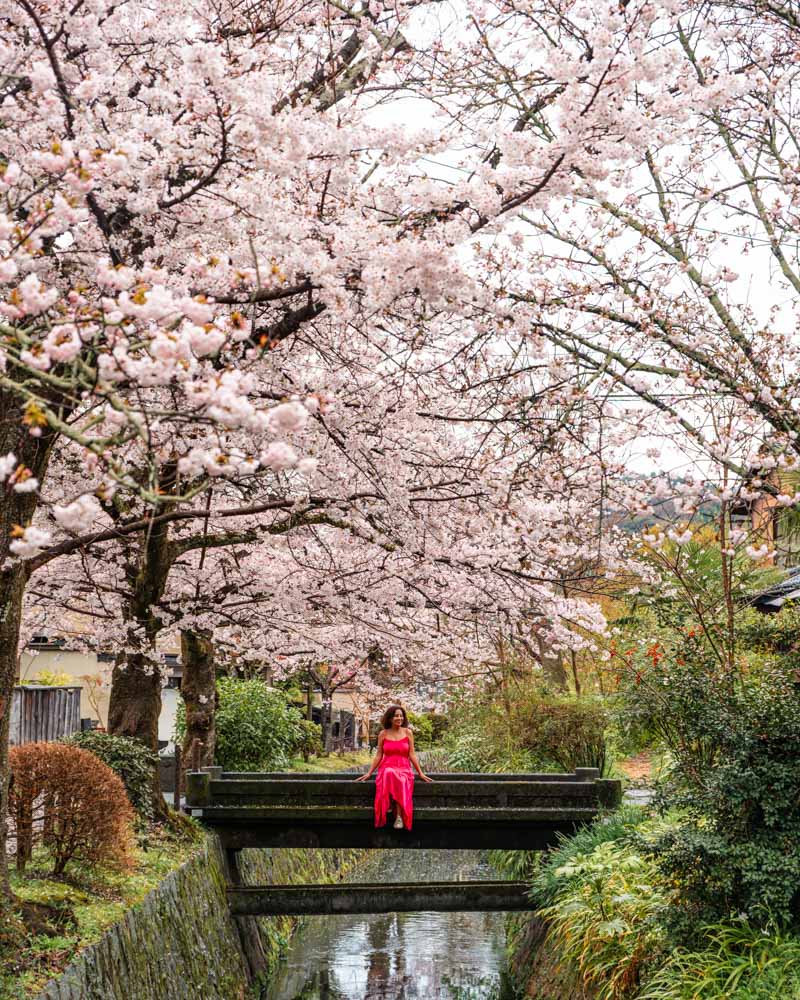
Philosopher’s Path is especially magical during the Cherry Blossom or the Autumn season. It’s a residential area with an endless, beautiful path full of blossoms and autumn leaves.
If you visit outside these periods, it’s still a nice, peaceful walk, but it will be filled with more greenery.
At the northern end near Ginkaku-ji, the Philosopher’s Path, you’ll find a quaint street full of matcha cafes and shops. I tried a delicious Matcha Latte at Temari.
Optional: Half day trip to Nara
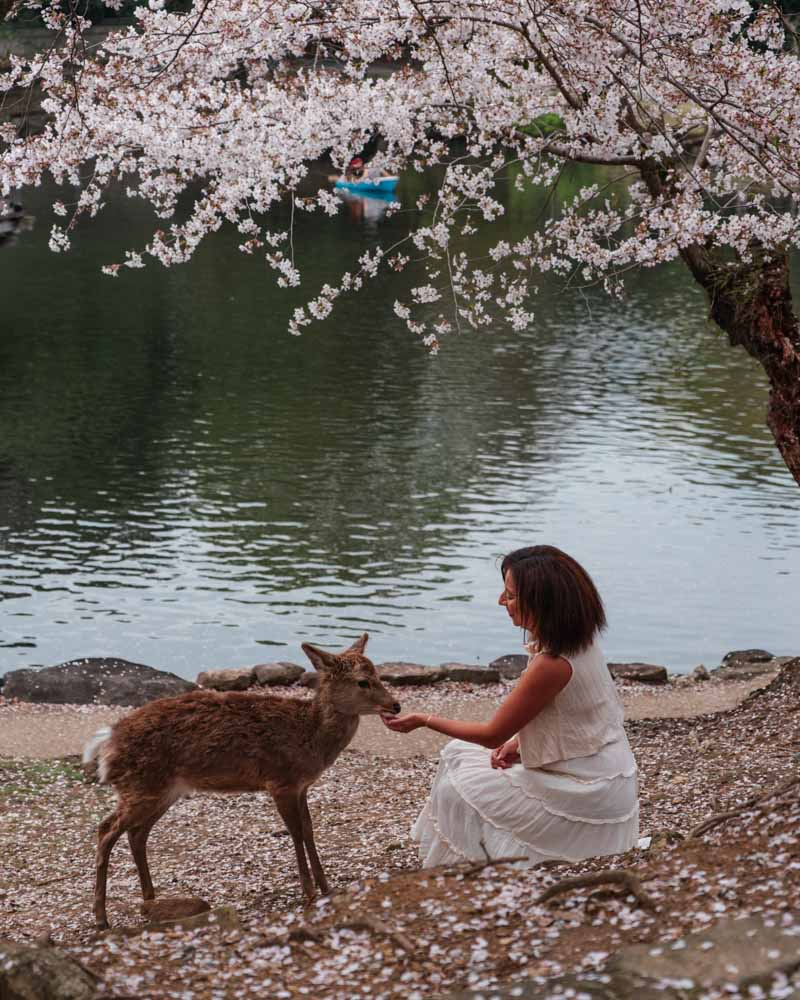
During your Kyoto 3 Day itinerary, visiting Nara is a highlight! The train ride to Nara is only 30 to 45 minutes from Kyoto, but keep in mind it takes possibly 20 minutes to get to the Kyoto train station from central.
This is the perfect little half-day trip from Kyoto. You get to see the cutest deer and feed them! Just keep in mind, they can be feisty and sometimes even bite. The key is to hide the food you feed them and break your crackers into small pieces (which you can buy just about all over Nara). Don’t just visit the deer at the main entrance; wander further in, away from the tourists, for a more peaceful experience. If you don’t want to deal with logistics, I’d recommend taking this tour to Nara, which leaves from Kyoto.
Sunset at Kiyomizu-dera Temple
This is one of the best places to watch the sunset in Kyoto, and you’ll find views of the city and the Higashiyama hills.
Kiyomizu-dera is a Buddhist temple dating to 778. It was rebuilt many times over the centuries.
As the sun sets, the lanterns start to light up the surrounding trees and walkways.
Check out my other Japan posts
🤫 16 Hidden Gems in Tokyo That Most Tourists Miss